
Chimney Masonry Repair and Waterproofing Across Delaware County and the Main Line
The masonry of your chimney above the roof line takes a beating year round. Rain, snow, sleet, ice, and the freeze-thaw cycles that follow are constant. Because the portion of the chimney above the roof is not warmed from inside the house, it is the part of the structure most exposed to that cycle. Lou Curley’s Chimney Service repairs and waterproofs chimney masonry across Delaware County and the Main Line, and we do it with materials and techniques that actually last.
What Water Does to Brick and Mortar
Masonry chimneys are porous. The brick and mortar absorb water, and when that water freezes, it expands. When it thaws, it contracts. Repeat that cycle through a Pennsylvania winter and the damage shows up:
- Mortar joints cracking, receding, and falling out
- Brick faces spalling (flaking off in layers)
- Brick cracking and in extreme cases popping out entirely
- Stains on the chimney and on the home below it
If you have minor brick damage or cracked mortar joints, our masonry repair team can repoint the joints with a fresh mortar mix that matches the existing color and composition, and replace damaged brick where needed. The sooner this work happens, the smaller the bill.
Why Waterproofing the Chimney Is Worth Doing
Water is what causes most of the exterior deterioration we see. Repairing the damage is necessary, but the better long-term play is to keep water from being absorbed in the first place.
We use ChimneySaver VOC-compliant water repellent, a solvent-based spray applied after any masonry repairs are complete. There are cheaper products on the shelf at the home improvement store, and they look similar in the can. They do not behave similarly on a chimney.
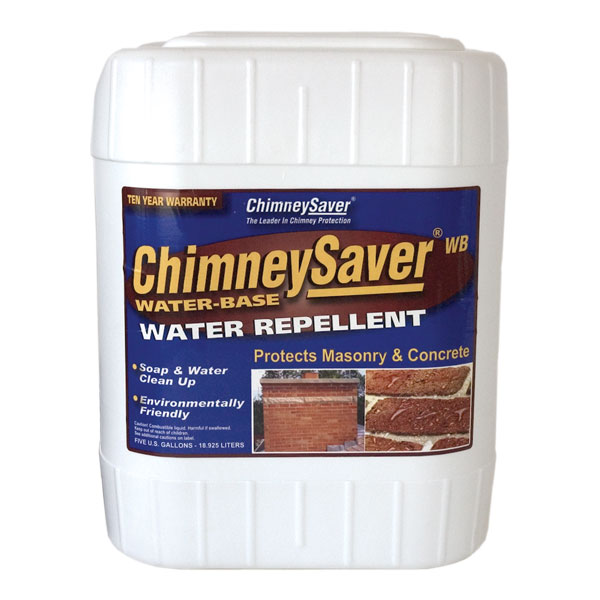
- It is 100% vapor-permeable. Vapor produced by the fire can still exit the chimney, but outside moisture cannot enter. Many off-the-shelf sealers (silicone coatings, in particular) seal moisture in, which is worse than not waterproofing at all.
- It protects against efflorescence, staining, mildew, fungus, and freeze-thaw damage.
- It does not change the look of the chimney. No glossy finish. Once it dries, you cannot see it. Your chimney just stops absorbing water.
- It carries a 10-year manufacturer’s warranty.
Is Waterproofing Worth the Cost?
For most masonry chimneys in our service area, yes. The math is straightforward. A waterproofing application is a fraction of the cost of major masonry repair, and it dramatically slows the rate of future damage. If your chimney is already showing freeze-thaw symptoms (spalling, cracked mortar), we recommend repairing first and waterproofing after. If your chimney is in good shape, waterproofing now keeps it that way.
We Do Not Recommend Waterproofing as a DIY
A few reasons.
- Waterproofing only works if the damage is repaired first. A spray-on water repellent over cracked mortar joints will not stop water intrusion. The cracks are the path. The chimney has to be in repaired condition before the sealer goes on.
- The work happens on a ladder and on a roof. Falls from height are one of the leading causes of serious home injury in the country, and a chimney waterproofing project means a few hours of working in that environment with one hand carrying product. We have the harnesses, tie-offs, and roof-climbing equipment to do this safely. Most homeowners do not.
- Quality of application affects results. Even spread, the right number of coats, the right product for the substrate. These are the variables that determine whether the waterproofing actually performs.
- Firebox. Where the fire burns. Sits directly below the damper, which controls airflow from the living space into the flue.
- Smoke chamber. The upside-down funnel above the damper that channels smoke upward and creates the draft that pulls combustion gases out of the home.
- Flue or flue liner. The vertical passageway that vents combustion gases to the outside. Lined with clay tile or stainless steel depending on the system.
We have done this hundreds of times. Hire it out. Spend the money on a real result instead of a weekend that ends with a callback.
What Is Tuckpointing?
Tuckpointing is a brick repair technique where damaged or missing mortar is removed and replaced with new mortar that matches the original. The work strengthens the bond between bricks and restores the weather seal that the mortar joints are supposed to provide.
Done correctly, tuckpointing is invisible. The new mortar color matches the old, the joint profile matches the surrounding brick, and the repair blends into the existing wall. Done incorrectly, you can see it from the street. Color match alone takes experience to get right, because mortar color depends on the sand source as much as the mix ratio.
The Components of Your Masonry Chimney
Three core components do most of the work.
Each component has to do its job correctly for the whole chimney to work. When the masonry around any of them fails, the whole system loses integrity.
Get Your Chimney Repaired and Waterproofed
Lou Curley’s Chimney Service has the safety equipment, the expertise to handle the masonry repairs, and the knowledge to apply ChimneySaver correctly so it lasts. Call 610-626-2439 or request an appointment online and we will give you a clear plan for the work your chimney actually needs.